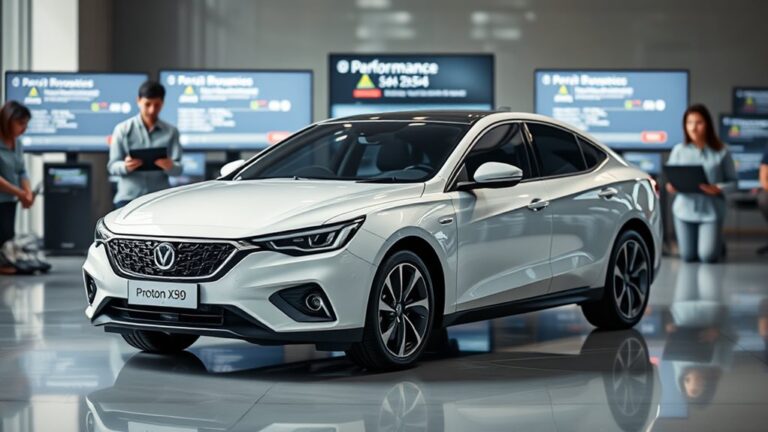
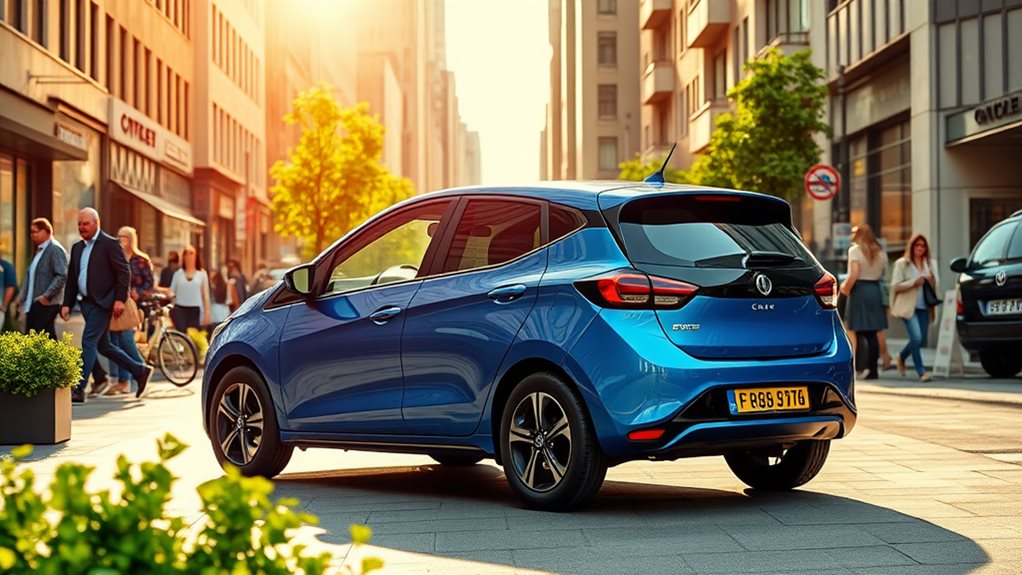
City hatchbacks are at the forefront of revitalizing urban mobility, responding to the needs of rapidly growing urban populations. Their compact design enhances maneuverability in congested areas while providing efficient fuel consumption, appealing to eco-conscious consumers. Ergonomic interiors and smart connectivity features enrich the driving experience, making navigation seamless. Additionally, innovative engine technologies prioritize sustainability without compromising performance. Affordability guarantees that these vehicles meet diverse urban mobility needs, integrating seamlessly with public transport options. This blend of design, efficiency, and accessibility positions city hatchbacks as key players in shaping the future of urban transport, revealing more about their impact ahead.
The Rise of City Hatchbacks
As urbanization accelerates and consumer preferences evolve, the rise of city hatchbacks has become a significant trend in the automotive industry. These compact city vehicles cater to the growing demand for versatile commuting options, allowing urban dwellers to navigate densely populated environments with ease. City hatchbacks offer a harmonious blend of efficiency, practicality, and style, appealing to individuals seeking freedom in their daily travels. Their compact dimensions facilitate parking and maneuverability, while innovative engineering guarantees impressive fuel efficiency. Additionally, hatchbacks provide ample cargo space, making them ideal for errands and weekend getaways. This emerging segment not only reflects changing transportation needs but also embodies a lifestyle that values adaptability and urban exploration, empowering drivers to embrace their journeys fully.
Innovative Design Features
The evolution of city hatchbacks is not only marked by their increasing popularity but also by the innovative design features that enhance their functionality and aesthetic appeal. Modern city hatchbacks prioritize ergonomic interiors, ensuring that every element—from seating to controls—maximizes comfort and usability, catering to the dynamic lifestyles of urban dwellers. This focus on user experience encourages a sense of freedom, allowing drivers to navigate cityscapes with ease. Additionally, customizable exteriors offer owners the opportunity to express their individuality, transforming a standard vehicle into a personal statement. By integrating these design elements, city hatchbacks not only serve as practical transportation solutions but also as symbols of creativity and self-expression in an increasingly uniform world.
Enhancing Fuel Efficiency
The City Hatchback's commitment to enhancing fuel efficiency is underscored by its innovative engine technology, which optimizes performance while minimizing consumption. Additionally, the vehicle's lightweight design plays a vital role in reducing energy expenditure, aligning with modern sustainability goals. Together, these advancements position the City Hatchback as a frontrunner in eco-friendly urban mobility solutions.
Innovative Engine Technology
A remarkable advancement in engine technology is transforming the landscape of fuel efficiency in modern vehicles, including the City Hatchback. This innovative approach integrates eco-friendly technologies that optimize engine performance while minimizing environmental impact. By employing advanced fuel injection systems and turbocharging, the City Hatchback achieves superior power output without compromising on fuel economy. These enhancements not only provide drivers with a responsive and exhilarating experience but also align with the growing demand for sustainable mobility solutions. In addition, the incorporation of hybrid systems signifies a commitment to reducing carbon footprints, offering consumers the freedom to choose an efficient vehicle that meets their lifestyle needs. Ultimately, the City Hatchback emerges as a leader in marrying performance with environmental responsibility.
Lightweight Vehicle Design
Lightweight vehicle design plays an essential role in enhancing fuel efficiency, particularly in models like the City Hatchback. By focusing on aerodynamic efficiency, manufacturers can markedly reduce drag, allowing the vehicle to glide through urban landscapes with minimal resistance. This design philosophy emphasizes the importance of shaping the vehicle's exterior to optimize airflow, ultimately improving mileage and performance.
Material innovation is equally vital; using advanced, lightweight materials such as high-strength steel and composite fibers reduces overall weight without compromising safety. The integration of these materials not only enhances fuel economy but also contributes to a more responsive driving experience. As urban mobility evolves, the City Hatchback exemplifies how thoughtful design principles can empower drivers with both efficiency and freedom on the road.
Tech-Driven Driving Experience
While traditional driving experiences often rely on mechanical simplicity, the City Hatchback redefines automotive engagement through a thorough suite of advanced technologies. This innovative vehicle is equipped with smart connectivity features that enhance the driving experience, allowing for seamless integration with personal devices and real-time navigation. The intuitive interface keeps drivers informed and connected, fostering a sense of freedom and control. Additionally, the incorporation of autonomous features elevates safety and convenience, enabling drivers to navigate urban environments with ease. These technologies not only streamline daily commutes but also transform the way individuals interact with their surroundings, ultimately promoting a more liberated and enjoyable driving experience. The City Hatchback sets a new standard in tech-driven mobility, appealing to the modern urbanite.
Addressing Urban Space Challenges
How can urban dwellers navigate the complexities of increasingly crowded city landscapes? The answer lies in understanding urban density and reimagining the role of public transport. As cities grow, so does the necessity for innovative solutions that prioritize both mobility and space efficiency. The City Hatchback emerges as a formidable ally, offering a compact design that seamlessly integrates into dense urban environments. By promoting efficient use of space and encouraging shared transport options, it addresses the pressing need for sustainable urban mobility. Additionally, enhancing public transport networks can alleviate road congestion, allowing citizens the freedom to traverse their cities without the constraints of traditional vehicular traffic. Ultimately, a cohesive approach can transform urban living, fostering vibrant, accessible communities.
Affordability and Accessibility
The City Hatchback embodies a commitment to cost-effective urban transportation, making it an appealing option for budget-conscious consumers. By incorporating inclusive mobility solutions and budget-friendly features, it addresses the diverse needs of urban dwellers. This approach not only enhances accessibility but also promotes sustainable commuting practices in densely populated areas.
Cost-effective Urban Transportation
Cost-effective urban transportation has become a critical consideration for city dwellers, particularly in densely populated areas where accessibility and affordability directly impact quality of life. The integration of public transportation systems with innovative ride-sharing options presents an effective solution, allowing users to navigate urban landscapes with ease. Such integration not only minimizes travel costs but also reduces congestion, contributing to a more sustainable environment. In addition, the rise of digital platforms facilitating ride-sharing enhances the appeal of urban mobility, providing residents with flexible alternatives to traditional commuting methods. This paradigm shift in transportation strategies empowers individuals, ensuring that freedom of movement is not a privilege but a fundamental right, thereby fostering vibrant, connected communities that thrive on accessibility.
Inclusive Mobility Solutions
What makes mobility truly inclusive in urban environments? To guarantee equitable access for all citizens, urban mobility solutions must prioritize affordability and accessibility. This requires a multifaceted approach that engages communities in the design and implementation of transportation systems. Key components include:
- Affordable Transit Options: Implementing low-cost fares and subsidies for low-income residents.
- Universal Design: Creating vehicles and infrastructure that accommodate diverse physical abilities.
- Community Engagement: Involving local populations in decision-making to reflect their unique needs.
- Multi-Modal Integration: Seamlessly connecting various modes of transport to enhance user experience.
Budget-Friendly Features
A growing emphasis on budget-friendly features in urban mobility is essential for enhancing both affordability and accessibility. The City Hatchback exemplifies this trend, offering a range of affordable options that cater to diverse consumer needs. By prioritizing budget considerations, manufacturers can develop vehicles that not only reduce the financial burden on buyers but also promote sustainable urban living. The integration of cost-effective technologies, such as fuel-efficient engines and low-maintenance materials, guarantees that the City Hatchback remains within reach for a larger demographic. Furthermore, features like flexible financing plans and incentivized insurance options further empower consumers. Ultimately, the focus on budget-friendly attributes in the City Hatchback reinforces the idea that freedom in urban mobility should be accessible to everyone, regardless of economic status.
Sustainability in Urban Mobility
As urban populations continue to swell, the imperative for sustainability in mobility has never been more pressing. Urban planning must prioritize green transportation solutions that foster efficient, eco-friendly travel. The City Hatchback embodies this commitment, paving the way for a more sustainable urban future. Key strategies include:
- Increased Public Transit: Enhancing accessibility encourages reduced reliance on personal vehicles.
- Bicycle Infrastructure: Expanding bike lanes promotes healthy, zero-emission commuting options.
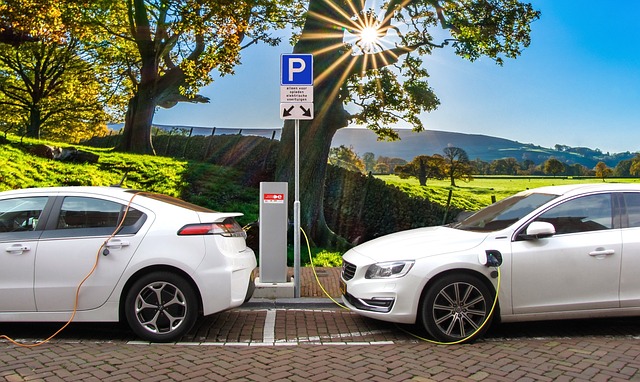
- Electric Vehicle Integration: Encouraging the adoption of EVs through charging stations and incentives.
- Mixed-Use Developments: Creating walkable neighborhoods minimizes the need for long commutes.
About The Author