
As feline companions age, their dietary needs evolve to support optimal health and well-being. In Malaysia, understanding the nuances of senior cat food is paramount for cat owners seeking to provide the best care for their aging feline friends.
This article delves into the significance of senior cat food pet food Malaysia, explores the specific nutritional requirements for older cats, addresses common health issues, offers guidance on selecting the right senior cat food, and provides insights on transitioning to a diet tailored for senior cats.
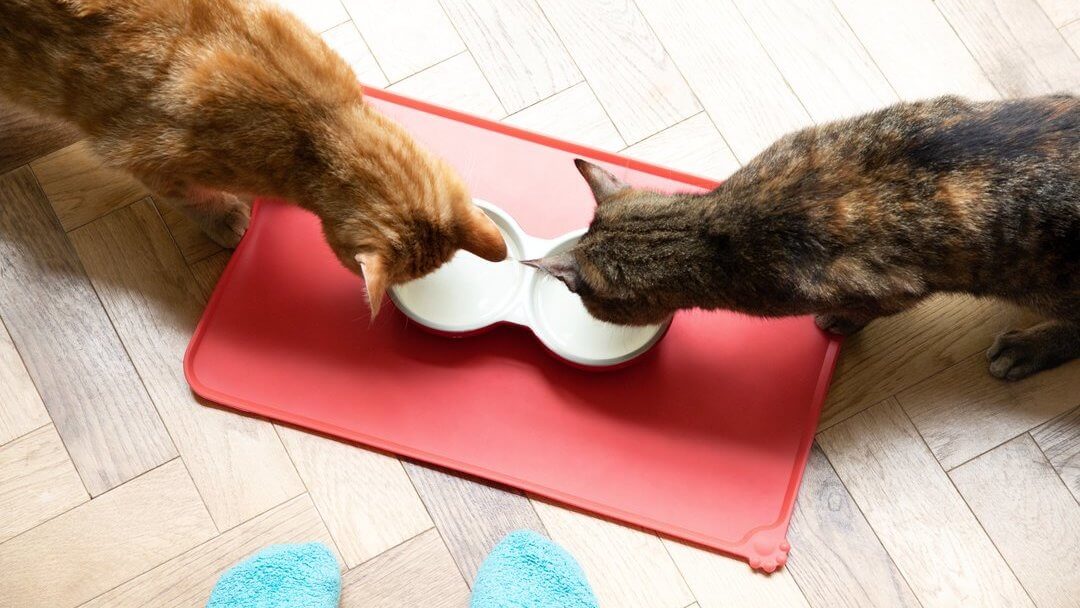
Importance of Senior Cat Food
Understanding the significance of incorporating specialized senior cat food into an aging feline’s diet is crucial for maintaining their health and well-being. As cats age, their nutritional needs change, requiring a diet tailored to support their specific requirements.
Senior cat food is formulated to address these needs, such as lower calorie content to prevent obesity, higher protein levels for muscle maintenance https://nourish.petuniverse.com/, and joint support supplements to aid mobility. By feeding your older cat a diet designed for seniors, you can help prevent common age-related issues like arthritis, kidney disease, and dental problems.
Additionally, senior cat food often contains essential vitamins and minerals that promote a healthy immune system, ensuring your cat stays active and vibrant in their later years. Choosing the right senior cat food is essential in providing your feline companion with the best quality of life as they age, allowing them the freedom to enjoy their golden years comfortably and happily.
Nutritional Requirements for Older Cats
As cats age, their nutritional needs evolve, necessitating a diet tailored to support their changing requirements. Older cats often experience a decrease in metabolism, leading to reduced energy requirements. It is crucial to provide them with a diet that is lower in calories but still rich in essential nutrients to maintain their health and wellbeing. Additionally, aging cats may develop issues such as dental problems or reduced kidney function, making it important to consider these factors when selecting their food.
Protein remains a critical component in the diet of older cats to support muscle health and overall body function. However, the source and quality of protein become more significant as cats age. Essential fatty acids, such as omega-3 and omega-6, play a vital role in maintaining healthy skin and coat, as well as supporting cognitive function in senior cats.
Furthermore, older cats may benefit from supplements like glucosamine and chondroitin to support joint health and mobility. Adequate hydration is also crucial for older cats to support kidney function and prevent dehydration. By understanding and meeting the nutritional requirements of older cats, pet owners can help ensure their furry companions lead a healthy and comfortable life in their senior years.
Common Health Issues in Senior Cats
With advancing age, senior cats are prone to developing various common health issues. One prevalent issue is arthritis, which can cause stiffness and discomfort, impacting their mobility.
Dental problems, such as gum disease and tooth decay, are also common in older cats. Regular dental check-ups and dental care are essential to prevent these issues.
Another health concern is kidney disease, which is more frequent in senior cats and can lead to dehydration and weight loss.
Hyperthyroidism, a condition where the thyroid gland produces too much hormone, is another common ailment that senior cats may face. Symptoms include weight loss, increased appetite, and restlessness.
Additionally, older cats are more susceptible to cancer, with lymphoma and mammary cancer being common types. Regular veterinary check-ups, a balanced diet, and a stress-free environment can help manage these health issues and ensure a good quality of life for senior cats.

Choosing the Right Senior Cat Food
Selecting appropriate senior cat food requires careful consideration of nutritional requirements and dietary preferences. As cats age, their nutritional needs change, making it crucial to choose a diet that supports their health and well-being in their senior years. When selecting senior cat food, look for options that are specifically formulated for older cats. These formulas often contain lower levels of phosphorus to support kidney function, higher levels of fiber for digestive health, and controlled levels of fat to prevent obesity.
Additionally, consider the protein content of the senior cat food. Older cats may require higher levels of easily digestible protein to maintain muscle mass and energy levels. Look for sources of high-quality protein such as chicken, turkey, or fish. It’s also essential to check the ingredients list for any allergens or sensitivities your senior cat may have developed over the years.
Furthermore, take into account your cat’s individual preferences. Some senior cats may prefer wet food for its higher moisture content, while others may prefer dry kibble for its convenience. Ultimately, the right senior cat food will provide a well-balanced diet that meets your cat’s nutritional needs and satisfies their taste preferences.
Transitioning to Senior Cat Food
Transitioning a senior cat to new food requires a gradual introduction to prevent digestive upset. Sudden changes can lead to gastrointestinal issues, so it’s crucial to slowly mix the old and new food over 7-10 days. Begin by substituting around 25% of the old food with the new formula for the first few days. Monitor your cat for any signs of digestive discomfort such as vomiting, diarrhea, or a lack of appetite. If all is well, gradually increase the proportion of the new food while decreasing the old food until the transition is complete.
It’s important to note that senior cats may have specific dietary requirements due to age-related health issues. When transitioning to senior cat food, consider formulas tailored to address common concerns such as joint health, weight management, or dental care. Consulting with a veterinarian before making any changes can help ensure that the new food meets your senior cat’s nutritional needs while supporting their overall well-being.
Conclusion
In conclusion, it is important to provide senior cats with appropriate nutrition to support their aging bodies and address common health issues they may face.
Understanding the nutritional requirements and choosing the right senior cat food can help improve the overall well-being and quality of life for older cats.
Transitioning to senior cat food gradually is crucial to prevent digestive upset and ensure a smooth transition for your feline companion.
About The Author